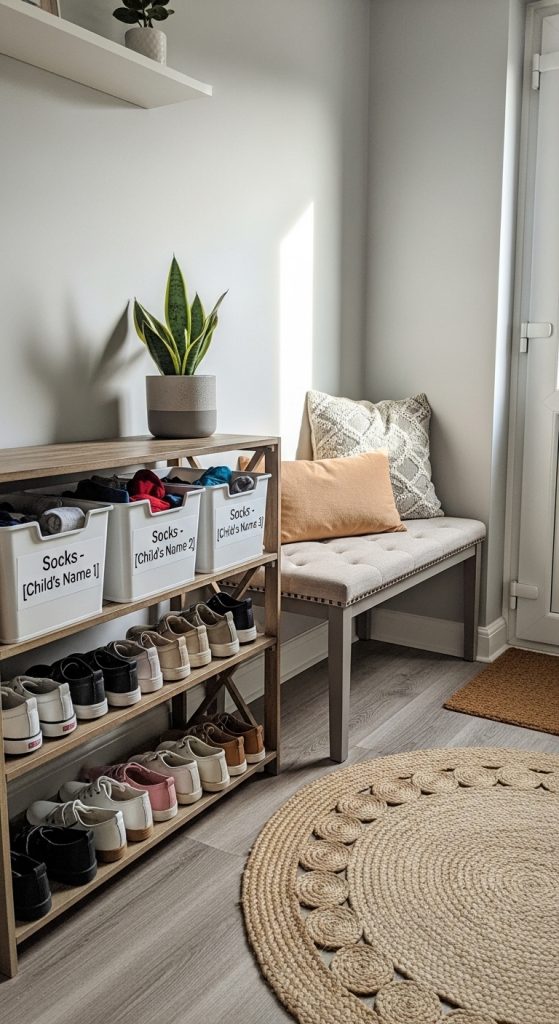
Organizing kids’ school clothes can feel like a never-ending task, especially when mornings are busy and everything needs to be done quickly. From uniforms and socks to jackets, shoes, and sportswear, children’s clothing often ends up scattered, wrinkled, or mixed together in a way that creates stress for both parents and kids. A well-organized system not only saves time but also teaches children responsibility and independence from an early age.
When school clothes are properly arranged, mornings become smoother, faster, and far less chaotic. Instead of searching for missing socks or ironing shirts at the last minute, everything is already prepared and easy to access. This also helps children build routines, as they can quickly find what they need and even start dressing themselves without constant help.
Another benefit of organizing school clothes is maintaining cleanliness and extending the life of garments. Proper storage reduces wrinkles, prevents damage, and keeps uniforms looking fresh for longer. It also helps separate clean clothes from worn ones, reducing confusion and laundry pile-ups.
In this blog, we will explore 10 creative and practical Kids School Clothes Organization Ideas that are easy to implement at home. These ideas are designed for small and large spaces alike, whether you live in an apartment or a house. Each method focuses on simplicity, functionality, and a visually pleasing setup that can also be Pinterest-worthy in style.
By the end, you will have multiple inspiration-based solutions to create a stress-free, organized, and efficient school clothing system for your kids.
Materials Used for Organization
Before setting up any organization system for kids’ school clothes, it is important to gather a few essential materials. These items help create structure, improve accessibility, and maintain long-term order. Most of these materials are affordable and easily available in local stores or online.
First, storage boxes or bins are essential. These can be plastic, fabric, or wooden depending on your home style. Clear bins are especially helpful because they allow you to see what is inside without opening them. Labeled bins work even better for separating uniforms, socks, sportswear, and accessories.
Second, hangers are a must-have. Using uniform hangers helps keep clothes wrinkle-free and neatly aligned. You can also use color-coded hangers for each child, which makes identification easier in shared wardrobes.
Drawer dividers are another useful tool. They help separate smaller clothing items like socks, undergarments, ties, and handkerchiefs. Without dividers, drawers can quickly become messy and disorganized.
Label stickers or label makers are also highly recommended. Labels help kids understand where each item belongs, encouraging them to maintain the system independently.
You may also need a small laundry basket or hamper for dirty school clothes. Having a dedicated basket prevents clean and used clothes from mixing together.
Hooks, hanging racks, and over-the-door organizers are great for small spaces. They maximize vertical storage and keep frequently used items within reach.
Lastly, a weekly outfit planner board or checklist can be very helpful. It allows parents and kids to plan school outfits in advance, reducing morning stress.
Together, these materials create the foundation for a functional and visually appealing organization system that is easy to maintain.
How to Organize Kids’ School Clothes
Creating an organized system for kids’ school clothes starts with sorting everything you already have. Begin by gathering all uniforms, socks, shoes, jackets, and accessories in one place. Separate them into categories such as daily wear, sports uniforms, winter clothes, and spare sets. This step helps you understand what you have and what storage you need.
Next, declutter items that no longer fit or are damaged. Kids grow quickly, so it’s important to regularly remove clothes that are too small or worn out. This creates more space and prevents overcrowding in storage areas.
Once sorting is complete, assign specific storage zones for each category. For example, uniforms can go in hanging sections, socks and accessories in drawers, and sportswear in labeled bins. Keeping each category in a fixed place ensures consistency.
After that, focus on accessibility. Place daily-use clothes at eye level or in easily reachable drawers so children can independently pick their outfits. Less frequently used items like seasonal clothing can be stored in higher shelves or boxes.
Labeling is a key step in maintaining organization. Even younger children can learn to identify labels and put things back in the right place. This encourages responsibility and reduces parental workload.
Finally, create a simple routine. Encourage kids to prepare their outfits the night before school. This habit not only saves time in the morning but also reduces last-minute confusion.
By following these steps, you can create a smooth and efficient system that keeps school clothes organized, accessible, and stress-free every day.
10 Kids School Clothes Organization Ideas
1. Color-Coded Wardrobe System
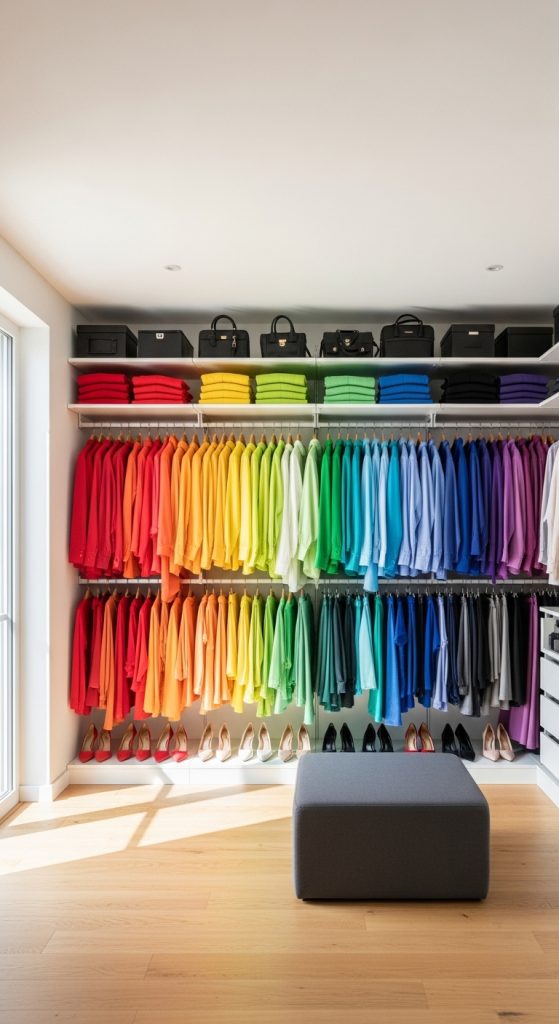
A color-coded wardrobe system is one of the simplest yet most effective ways to organize kids’ school clothes. This method assigns different colors to each category of clothing or even to each child in the household. For example, one child’s clothes might be organized with blue hangers and bins, while another uses pink or green. This immediately reduces confusion, especially in families with multiple children.
Inside the wardrobe, uniforms can be separated by type using color-coded hangers. Shirts, pants, and sweaters can each have their own section. This allows kids to quickly identify what they need without searching through mixed clothing.
You can also extend the color system to storage boxes. Socks in one color box, sportswear in another, and accessories in a third make the system visually clear and easy to maintain. Even younger children who cannot read labels can understand color distinctions.
The biggest advantage of this system is independence. Children learn to manage their own clothes without constant parental guidance. It also makes mornings faster because everything is visually organized.
From a design perspective, a color-coded wardrobe looks clean, aesthetic, and Pinterest-worthy. It brings a sense of order and harmony to the space, making the room feel more structured and less cluttered.
To maintain this system, consistency is key. Once a color is assigned, it should always represent the same category or child. With proper discipline, this method can transform daily clothing chaos into a smooth, organized routine.
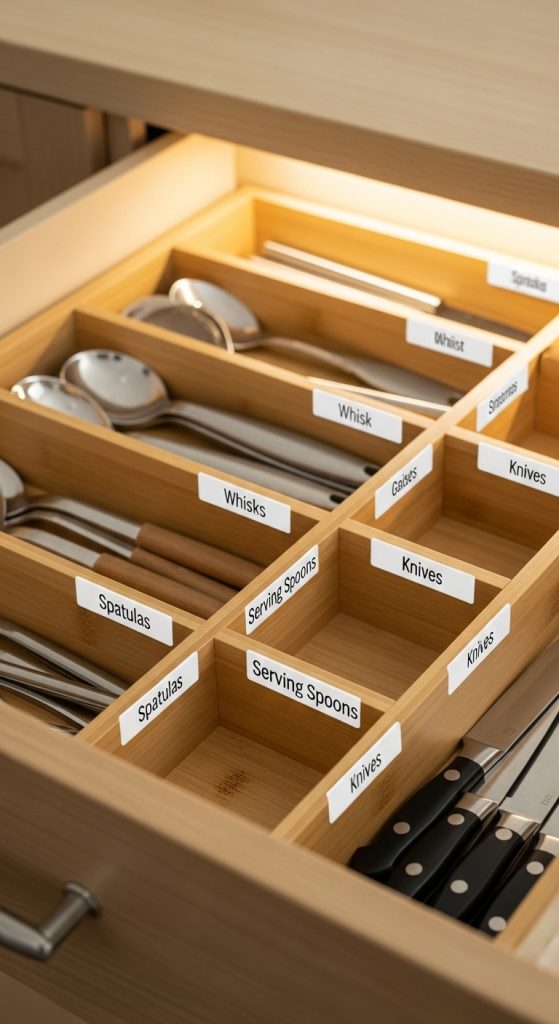
2. Labelled Drawer Dividers System
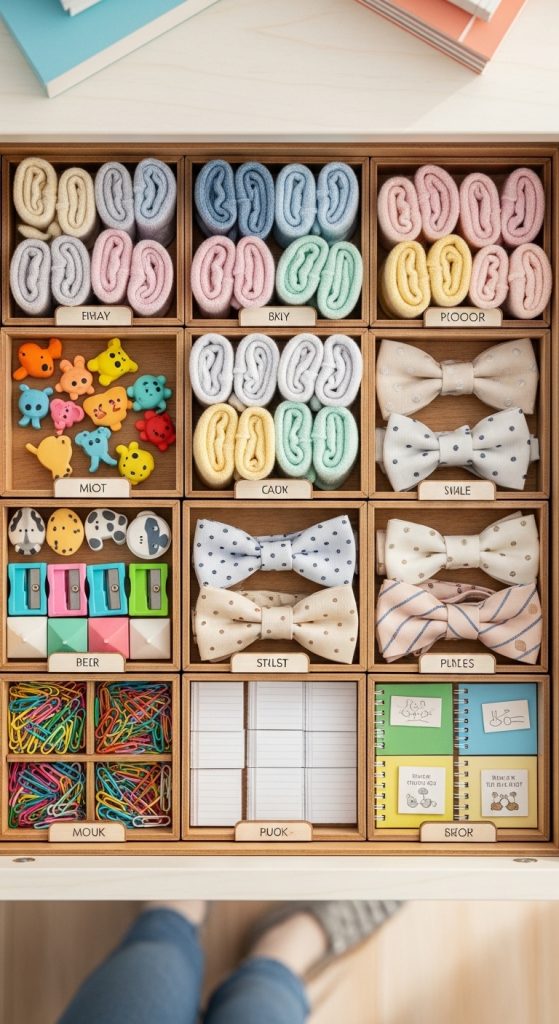
A labeled drawer divider system is perfect for keeping small school clothing items neatly arranged. Kids often have socks, ties, handkerchiefs, undergarments, and accessories that easily get mixed up in drawers. Dividers solve this problem by creating separate compartments inside each drawer.
Each section of the drawer can be labeled clearly, such as “Socks,” “Undergarments,” “Accessories,” or “School Supplies.” Labels help children understand where each item belongs, making it easier for them to maintain order.
This system works especially well for younger kids who are learning independence. Instead of dumping everything into one space, they learn to categorize items properly. Over time, this builds discipline and organizational habits.
You can choose adjustable plastic dividers or fabric organizers depending on your preference. Some families even use DIY cardboard dividers, which are budget-friendly and effective.
One of the biggest benefits of this system is that it keeps drawers neat even after daily use. Since each item has a fixed place, there is less chance of clutter building up.
It also saves time during busy mornings. Kids can quickly open a drawer and pick what they need without digging through piles of clothes.
Visually, a well-organized drawer system is satisfying and clean. It gives a sense of control over small items that usually create the most mess.
By maintaining labeled compartments, you create a structured and easy-to-manage clothing system that supports both parents and children in daily routines.
3. Weekly Outfit Planning Station
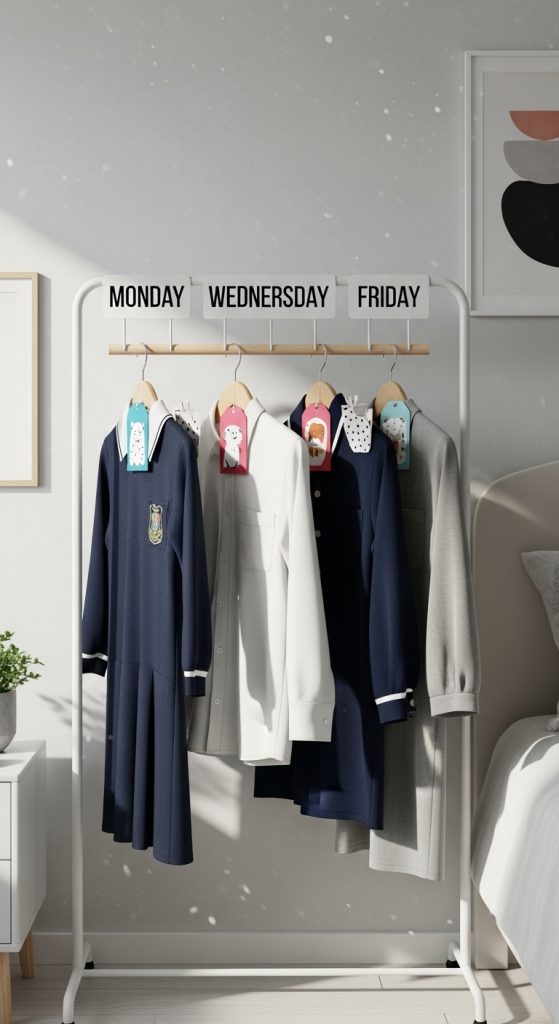
A weekly outfit planning station is a highly practical idea for organizing kids’ school clothes in advance. This system involves planning and setting out outfits for the entire school week, usually on Sunday or the night before school starts.
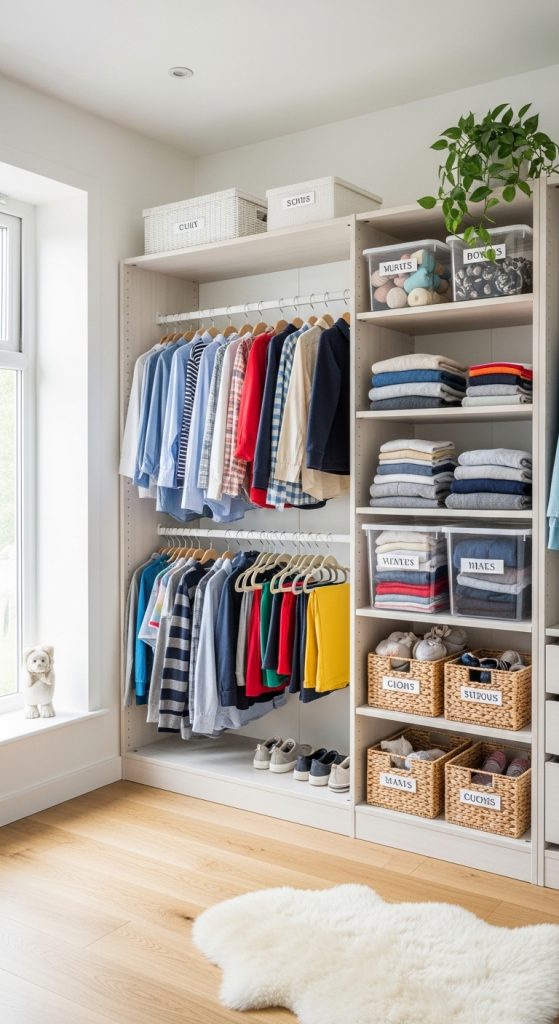
A dedicated section in the wardrobe or a small clothing rack can be used for this purpose. Each day of the week can have its own hanger or labeled hook, such as Monday, Tuesday, Wednesday, and so on. Clothes for each day are pre-arranged, including uniforms, socks, and sometimes even accessories.
This method reduces morning stress significantly. Instead of deciding what to wear every day, children simply follow the planned outfits. It also helps avoid last-minute searches and mismatched clothing combinations.
Parents also benefit from this system because it saves time and reduces daily decision-making pressure. It is especially helpful during busy school mornings or when multiple children are involved.
From a teaching perspective, this system helps children understand planning and responsibility. They learn to prepare in advance and manage their time better.
To make it more engaging, you can involve kids in the planning process. Let them choose their outfits for the week, which also builds independence and decision-making skills.
Visually, a weekly outfit station looks organized and structured. It adds a sense of routine and predictability to daily life.
With consistent use, this system can completely transform chaotic mornings into smooth, well-managed routines.
4. Hanging Closet Organizer for Uniform Sets
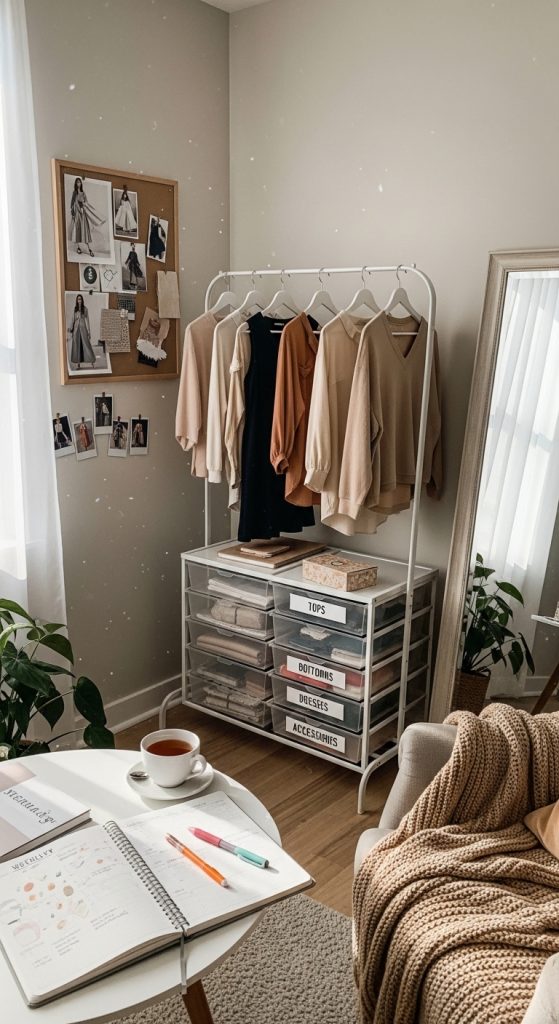
A hanging closet organizer is an excellent solution for keeping full school uniform sets together in one place. Instead of separating shirts, pants, and sweaters in different sections, this system groups complete outfits vertically in one organizer.
Each compartment or hanger section can hold one full set of uniform, including shirt, pants, tie, and sometimes even socks or accessories. This ensures that nothing gets lost or misplaced.
This method is especially useful for busy mornings when time is limited. Children can simply grab one complete set without thinking or searching.
Hanging organizers also save space, making them ideal for small wardrobes or shared closets. They utilize vertical space efficiently and keep everything visible.
Another advantage is that it reduces laundry confusion. Clean and ready-to-wear outfits are always in one place, separated from worn or dirty clothes.
You can also label each section for different days of the week or different types of uniforms, such as regular school days, sports days, or special events.
From a visual standpoint, this system looks clean, structured, and highly organized. It creates a neat appearance inside the closet and prevents clutter buildup.
Overall, a hanging closet organizer simplifies school mornings and ensures that kids always have a complete, ready-to-wear outfit available.
5. Shoe and Sock Station Near Entryway
A shoe and sock station near the entryway is a smart and practical way to organize kids’ school essentials. Since shoes and socks are used every day, keeping them close to the exit saves time and reduces morning delays.
This station can include a small bench, shoe rack, and labeled bins for socks. Each child can have their own designated space for shoes, making it easy to grab and go.
Socks can be stored in small baskets or drawers placed nearby. Matching socks with shoes becomes much easier when everything is in one location.
This system also helps prevent dirt from entering the house, as shoes are stored in a fixed place. It encourages children to develop the habit of putting shoes back in their designated spot after school.
For families with multiple children, labeling each section is extremely helpful. It avoids confusion and keeps everything organized.
From a design perspective, an entryway shoe station can also look very stylish. Adding baskets, wooden shelves, or small cushions can create a Pinterest-inspired aesthetic.
This system is especially useful for busy households where time management is important. It ensures that essential items are always ready and easy to access.
6. Seasonal Storage Boxes System
A seasonal storage box system is ideal for managing kids’ school clothes throughout the year. Since children do not use all clothing items every season, storing off-season clothes separately helps reduce clutter.
Winter uniforms, jackets, and sweaters can be stored in labeled boxes during summer, while lighter clothes are kept accessible. Similarly, summer clothes can be stored away during winter.
These boxes can be placed under the bed, in wardrobes, or on top shelves. Clear labeling is important so that parents can easily identify contents without opening every box.
This system creates more space in daily-use wardrobes, making it easier to organize school clothes that are currently needed.
It also protects clothes from damage, dust, and overcrowding. Seasonal rotation ensures that clothing stays fresh and well-maintained.
From a practical point of view, this method reduces stress during seasonal transitions. You simply swap boxes instead of reorganizing everything from scratch.
Visually, a well-labeled storage system looks clean and structured. It brings long-term order to a constantly changing wardrobe.
7. Open Shelf Display for Daily Use Clothes
An open shelf display system is a modern and visually appealing way to organize kids’ school clothes. Instead of hiding everything in closed wardrobes, this method uses visible shelves to store daily-use clothing.
Each shelf can be assigned to a specific category such as uniforms, sportswear, or accessories. This makes it easy for kids to see and pick their clothes quickly.
The biggest advantage of open shelving is accessibility. Children can independently select their outfits without opening multiple drawers or doors.
It also encourages cleanliness because everything is visible. If the shelf becomes messy, it is immediately noticeable and can be fixed quickly.
From a design perspective, open shelves create a stylish and minimalist look. When organized properly, they give a Pinterest-inspired aesthetic to the room.
To maintain this system, regular tidying is important. Clothes should always be folded neatly and returned to their assigned space.
This method works best for families who prefer simple, fast-access organization systems.
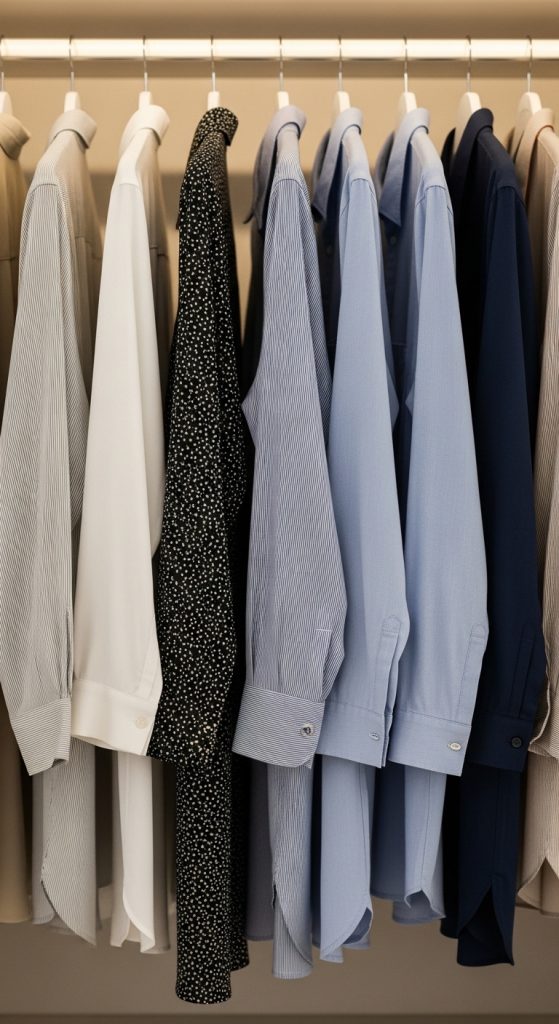
8. Rolling Cart Organizer for School Essentials
A rolling cart organizer is a flexible and mobile solution for managing kids’ school clothes and accessories. This cart can be moved around the house, making it extremely convenient.
Each layer of the cart can be assigned to different items such as uniforms, socks, stationery, or sportswear. This keeps everything organized in one compact space.
One of the biggest advantages of a rolling cart is mobility. It can be placed in the bedroom at night and moved near the dressing area in the morning.
It is especially useful for small homes where storage space is limited.
Labeling each section makes it easier for kids to understand where everything belongs.
The cart also encourages independence, as children can access their school items without adult help.
Visually, a neatly organized cart looks modern and practical, adding a stylish touch to the room.
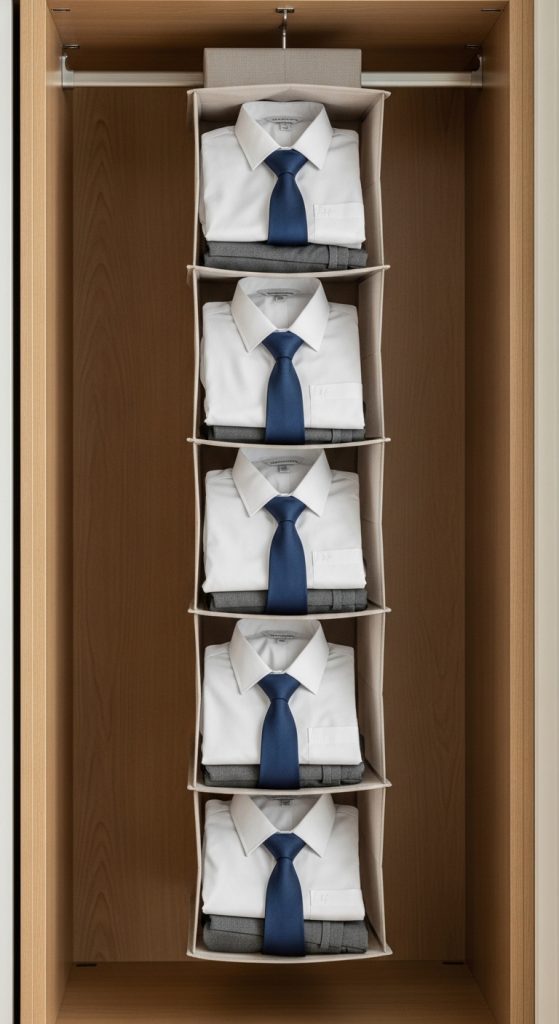
9. Hanging Hooks for Quick Access Items
Hanging hooks are a simple but highly effective solution for organizing frequently used school clothing items. Items like jackets, ties, bags, and sweaters can be placed on hooks for quick access.
Hooks can be installed behind doors, inside wardrobes, or on walls. Each hook can be assigned to a specific child or item type.
This system saves time during rushed mornings because essential items are always visible and easy to grab.
It also helps prevent clothes from being misplaced or wrinkled.
From a design perspective, hooks create a clean and functional look, especially when arranged neatly in rows.
This method is affordable, easy to install, and highly effective for daily use organization.
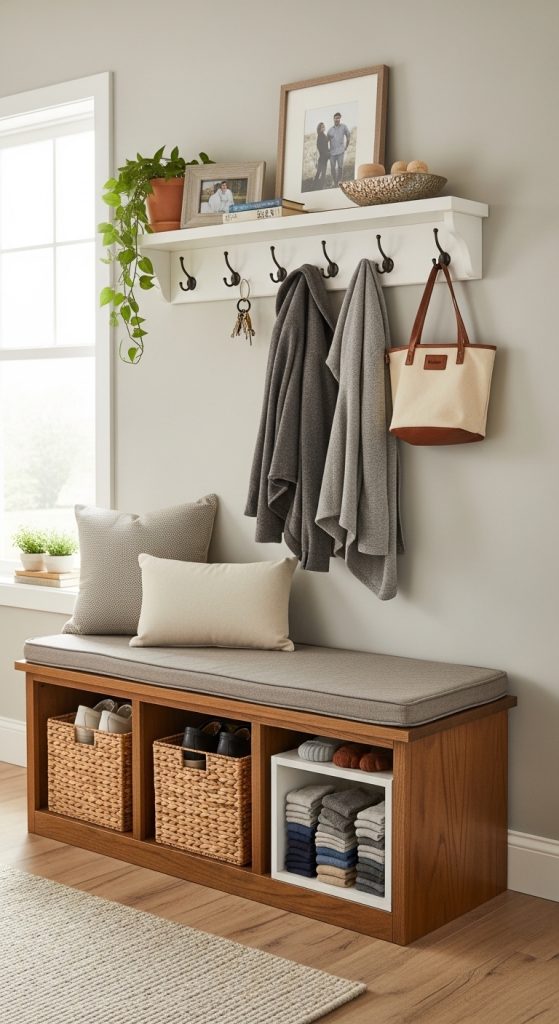
10. Mini Closet for Each Child
A mini closet system gives each child their own dedicated space for school clothes. This includes a small section with hangers, drawers, and shelves designed specifically for them.
Each child can manage their own clothes, including uniforms, shoes, and accessories.
This system promotes independence and responsibility from an early age.
It also reduces confusion in shared spaces, as everything is separated clearly.