10 Cool Plate Organization Tricks

Spread the love

Plates are an essential part of every kitchen, but they’re also one of the easiest items to clutter cabinets and countertops with. Whether you’re dealing with a tiny kitchen or just looking to bring more order and elegance into your cooking space, organizing your plates doesn’t have to be boring or basic. These 10 cool plate organization tricks will help you make the most of your space while keeping your dishes tidy, accessible, and even decorative. Let’s dive in!
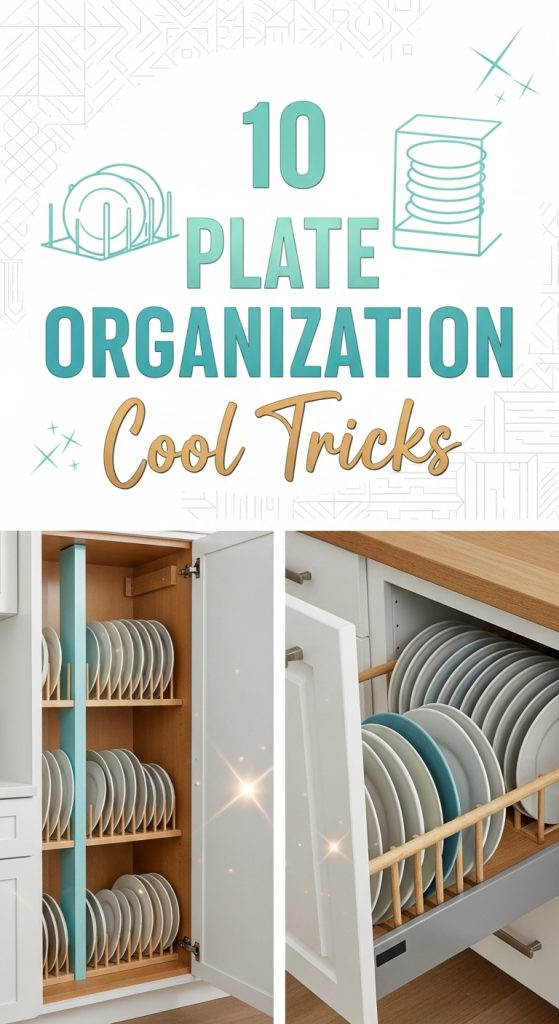

1. Use Vertical Plate Racks to Save Cabinet Space

One of the smartest ways to organize plates is to go vertical. Traditional stacks waste a lot of space, especially in deep cabinets. A vertical plate rack allows you to store plates upright, similar to how files are stored in a cabinet. This makes it easier to grab one without disturbing the rest, and it looks impressively tidy. These racks are especially handy for dish drawers or narrow cabinets.


2. Add a Tiered Dish Rack Inside Your Cabinet

Maximize shelf height by using a two- or three-tiered dish rack inside your cabinet. These mini shelves allow you to separate different plate sizes—dinner, salad, and dessert—on different levels. No more mixing them all in one stack and pulling out half the pile just to get the one at the bottom.


3. Display Plates on an Open Wall Shelf

If you have beautiful plates that deserve to be seen, consider displaying them on open wall shelving. This trick doubles as both organization and decor. You can lean plates against the wall with plate stands or use a special grooved shelf that keeps them secure. This method adds charm to farmhouse, rustic, or even minimalist kitchens.


4. Use Deep Drawers with Peg Systems

Many modern kitchens now come with deep drawers instead of upper cabinets. To keep plates in place within these drawers, install a peg board system. Movable wooden pegs can be arranged to fit your plate sizes, keeping them from sliding around. This is perfect for households that prefer lower cabinet storage or want to avoid overhead reaching.


5. Organize by Frequency of Use

Separate your plates into categories: everyday use, special occasions, and rarely used or seasonal plates. Store your daily dishes in the most accessible cabinet or drawer. Plates you use occasionally can go on higher shelves or deeper in cabinets. This way, you’re not digging through holiday dishes just to find a breakfast plate on a Tuesday morning.


6. Use a Plate Caddy for Portability

A plate caddy is a compact, handled container that holds stacked plates and makes them easy to transport to the dining area, patio, or picnic table. This is not only functional but also great for homes with open kitchen shelving. Instead of loose stacks, your plates look neat and are ready to grab and go.


7. Add a Lazy Susan for Small Plates and Bowls

For smaller plates and bowls, especially in corner cabinets, a Lazy Susan works wonders. It brings hard-to-reach items to the front with a simple spin. This is ideal for families with kids, too, as it makes snack plates and bowls easier to access without climbing on stools.


8. Try a Plate Drawer Divider Insert

If you already have a deep kitchen drawer dedicated to plates, add a divider insert. These are often adjustable and allow you to create multiple slots for plates of different sizes. No more tipping stacks or sliding dishes. Everything stays exactly where it should.


9. Store Decorative Plates Vertically in a China Cabinet

If you own heirloom or decorative plates, a china cabinet or glass-front hutch is a beautiful way to store them vertically, almost like artwork. Use plate stands or vertical slats to display each plate while protecting it from chips or dust. This trick adds elegance and helps preserve fragile or antique pieces.


10. Use Slim, Stackable Plate Holders for Small Kitchens

If you’re working with a small kitchen or limited cabinet space, slim wire plate holders can be a game-changer. These fit inside cabinets and create multiple layers within a single shelf. You can stack multiple holders together, keeping dinner plates, side plates, and bowls completely separate while taking up minimal space.


Spread the love

By admin

Leave a Reply

Your email address will not be published. Required fields are marked *