When it comes to landscaping your yard, incorporating rocks can add texture, color, and visual interest to your outdoor space. Rocks are not only durable and low-maintenance, but they can also help create a natural, harmonious design that complements your home’s architecture and the surrounding environment. Whether you’re aiming for a modern, minimalist aesthetic or a more rustic, natural look, rocks can play a key role in transforming your yard into a stunning outdoor retreat.
In this blog post, we’ll explore 10 creative landscaping ideas using rocks that can help you design a yard that is both functional and visually striking. From creating rock gardens to adding pathways and water features, rocks provide versatility and timeless beauty for your landscaping needs.
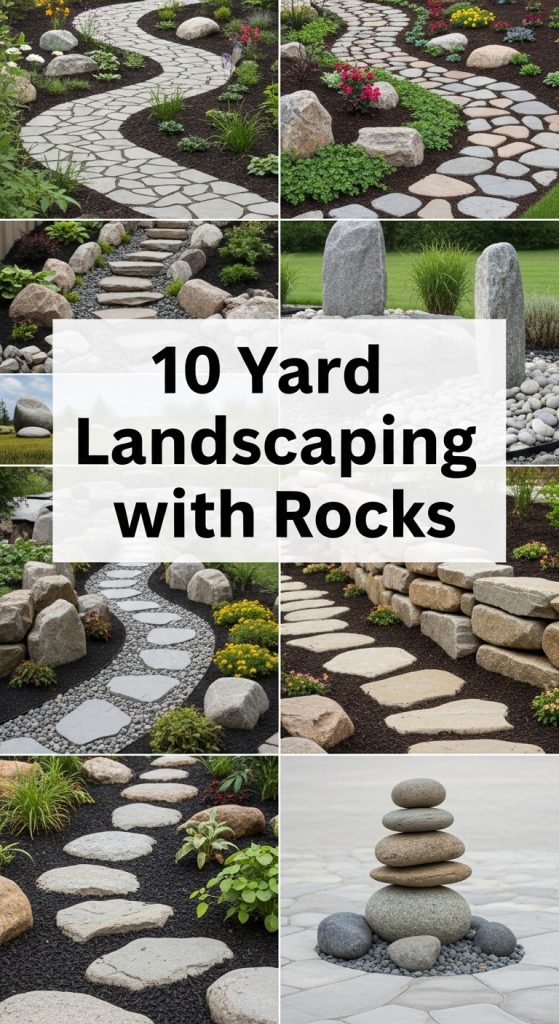
1. Rock Gardens: A Natural Focal Point
Why It Works:
Rock gardens are one of the most popular ways to use rocks in landscaping. They can be incorporated into almost any type of garden, from desert-themed yards to lush, green spaces. Rock gardens are great for creating a low-maintenance area that adds visual texture, and they often feature a variety of plants that complement the rocks’ natural appearance.
Design Tips:
- Choose rocks in varying sizes and shapes to create a more natural, organic look.
- Use a mix of plants like succulents, ornamental grasses, and ground covers that thrive in dry conditions.
- Arrange rocks to form clusters, and plant greenery around them to fill in the gaps.
- Consider adding a few larger feature rocks as centerpieces to anchor the design.
Why It’s Perfect:
Rock gardens are ideal for homeowners who want to create a beautiful outdoor space with minimal maintenance. These gardens require little water and are perfect for drought-prone areas or those looking for an eco-friendly landscaping option. Plus, the rocks provide a serene, natural focal point.
2. Rock Pathways: Functional and Beautiful
Why It Works:
A rock pathway is an excellent way to create structure and define the flow of traffic in your yard. Whether it’s a winding path through your garden or a straight walkway leading to your front door, rocks can help guide the way while adding rustic charm to your outdoor space.
Design Tips:
- Use flagstone, gravel, or river rocks to create a variety of textures and styles.
- Place rocks in a staggered, irregular pattern for a more natural look or use uniform sizes for a cleaner, more modern aesthetic.
- Add stepping stones for an easy, low-maintenance pathway that allows plants to grow between the rocks.
- Consider incorporating edging around the pathway to keep the rocks in place and prevent them from spilling onto the lawn.
Why It’s Perfect:
Rock pathways are both practical and decorative. They provide a durable, long-lasting solution for walking areas while adding aesthetic value to your landscaping. Plus, they can be customized to fit any style, from natural, meandering paths to sleek, modern designs.
3. Rock Borders and Edging
Why It Works:
Using rocks as borders or edging can help define garden beds, lawns, or other sections of your yard. Whether you’re outlining a flower bed, vegetable garden, or the perimeter of your lawn, rocks add a clean, polished look while providing structure to your landscaping.
Design Tips:
- Use larger rocks for a more substantial, permanent border or smaller pebbles for a subtler, more delicate edge.
- Arrange the rocks in a way that creates a curved or straight line, depending on your desired effect.
- Combine rocks with other materials like mulch or soil for a more layered look.
- Consider using stone pavers or boulders to create more visual interest and to anchor the design.
Why It’s Perfect:
Rock borders are low-maintenance and durable. They not only define spaces in your yard but also help prevent soil erosion and maintain the integrity of your garden or lawn edges. Additionally, rocks give your yard a natural, polished finish.
4. Rock Water Features: Adding Serenity and Motion
Why It Works:
A rock water feature, such as a fountain, waterfall, or pond, can be a stunning addition to your yard. The combination of rocks and water creates a peaceful, relaxing ambiance, perfect for a garden retreat. Water features also attract wildlife, such as birds and butterflies, adding an extra layer of life to your outdoor space.
Design Tips:
- Use large, flat rocks to create a waterfall or stream that flows naturally into a pond or basin.
- Choose smooth river rocks for the bottom of a pond to create a serene, polished look.
- Surround the water feature with smaller pebbles or gravel to create contrast and define the area.
- Add aquatic plants, such as water lilies or cattails, to enhance the natural beauty of the feature.
Why It’s Perfect:
Rock water features provide both aesthetic and auditory benefits. The sound of flowing water is soothing, making it a perfect addition to a meditation garden, patio, or backyard oasis. Plus, it enhances the natural appeal of your yard and contributes to the ecosystem by attracting wildlife.
5. Rock Walls for Privacy and Structure
Why It Works:
Rock walls can serve as functional and decorative elements in your yard. Whether you’re building a retaining wall to hold back soil or a privacy wall to shield your yard from view, rocks provide a sturdy and natural-looking option.
Design Tips:
- Use large boulders or stacked stones to create a rustic, natural-looking wall.
- For retaining walls, use interlocking stones or bricks to ensure stability.
- Incorporate plants between the stones to soften the appearance of the wall and add greenery.
- Use a rock wall to separate different sections of your garden, such as creating a raised bed for flowers or vegetables.
Why It’s Perfect:
Rock walls offer both practicality and beauty. They provide structural support and can enhance the aesthetic of your yard by adding vertical elements. They also improve the privacy of your outdoor space, making it feel more secluded and intimate.
6. Rock Garden Beds: Elevated Garden Spaces
Why It Works:
Building garden beds using rocks is a great way to create visual interest and structure in your landscaping. These raised rock garden beds allow for better soil drainage, making them ideal for plants that need well-drained soil, such as succulents or herbs.
Design Tips:
- Stack rocks to create raised garden beds along the perimeter of your yard or garden area.
- Choose rocks in earthy tones to complement the plants you’ll be growing.
- Fill the beds with a mix of soil, compost, and mulch to encourage healthy plant growth.
- Consider adding a rock path between raised garden beds to create a more defined garden area.
Why It’s Perfect:
Raised rock garden beds are not only functional but also give your garden a neat and organized appearance. They allow you to create custom planting spaces that can be easily maintained and adjusted as needed.
7. Rock Mulching for Weed Control
Why It Works:
Using rocks as mulch around plants can help suppress weeds and retain moisture in the soil, which is especially important in dry climates. Rocks provide a natural, low-maintenance alternative to organic mulch and offer a more permanent solution.
Design Tips:
- Use small pebbles or gravel to cover the soil around plants, trees, or shrubs.
- Combine rock mulch with landscaping fabric to prevent weeds from growing.
- Choose rocks that complement the natural colors of your plants and home’s exterior.
Why It’s Perfect:
Rock mulching is perfect for low-maintenance landscaping, particularly in areas with hot, dry weather. It helps reduce the need for frequent watering and weeding, making it an efficient and environmentally friendly option.
8. Rock Patios and Outdoor Seating Areas
Why It Works:
If you want to create a functional outdoor living space, a rock patio is a great choice. Whether you’re building a cozy seating area or an expansive entertaining space, rocks can create a durable and stylish foundation for your outdoor furniture.
Design Tips:
- Use flagstone, gravel, or pebble paving stones to create a textured and visually interesting patio.
- Choose rocks that complement the aesthetic of your home and outdoor furniture.
- Add a few potted plants or small trees around the patio to create a comfortable, inviting space.
Why It’s Perfect:
A rock patio is perfect for outdoor entertaining, as it provides a sturdy, low-maintenance surface for seating, dining, or relaxing. The natural look of rocks also blends beautifully with the surrounding environment.
9. Rock Landscaping for Sloped Areas
Why It Works:
If you have a sloped yard or hillside, rocks are a great way to create a more stable, terraced landscape. Rock landscaping on slopes helps prevent erosion, create usable outdoor space, and adds visual interest to your yard.
Design Tips:
- Build terraced garden beds using rocks to create flat areas on a sloped yard.
- Use large boulders or rocks to hold back soil, preventing erosion.
- Plant drought-resistant plants like succulents, grasses, or wildflowers in between the rocks for a natural, effortless look.
Why It’s Perfect:
Rock landscaping for sloped areas adds both function and beauty, turning an otherwise unusable space into a focal point. It’s a great solution for improving the stability of your yard while creating unique, eye-catching terraces.
10. Rock-Lined Garden Paths
Why It Works:
A rock-lined garden path adds an element of design and structure while helping define areas of your yard. Whether winding through a flower garden or leading to a garden shed, this simple yet effective feature brings style and organization to your outdoor space.
Design Tips:
- Line the edges of your garden path with small pebbles or gravel for a clean, finished look.
- Use larger, flat stones to create a more defined path, providing stability and ease of walking.
- Incorporate plants or ground covers along the path’s edges for a more natural, integrated look.
Why It’s Perfect:
A rock-lined garden path is not only practical, but it also elevates the overall design of your yard. It enhances the beauty of your garden and provides clear, accessible walking areas, making your outdoor space more inviting.
Conclusion
Landscaping with rocks is an excellent way to enhance the beauty and functionality of your yard. From rock gardens and water features to paths and walls, rocks provide both practical solutions and aesthetic appeal. Whether you’re looking for low-maintenance options, natural textures, or decorative features, rocks offer endless possibilities for creating a stunning outdoor environment. By incorporating some of these 10 yard landscaping ideas with rocks, you can transform your space into a relaxing, beautiful retreat that reflects your personal style and enhances the natural beauty of your property.


