Mid-century modern design has returned in a massive way, and homeowners everywhere are embracing its clean lines, organic textures, warm wood tones, and timeless simplicity. Originally popular between the 1940s and 1960s, mid-century interiors focused on functionality without sacrificing beauty. Today’s revival takes those iconic vintage elements and blends them with modern comfort, creating spaces that feel elegant, cozy, and highly Pinterest-worthy.
One of the reasons mid-century revival decor continues to trend is its versatility. Whether you live in a small apartment, a modern home, or a traditional house, you can easily incorporate vintage-inspired furniture, earthy colors, geometric patterns, and retro accents into your space. The beauty of this style lies in balance. It feels nostalgic yet fresh, minimalist yet warm, artistic yet practical.
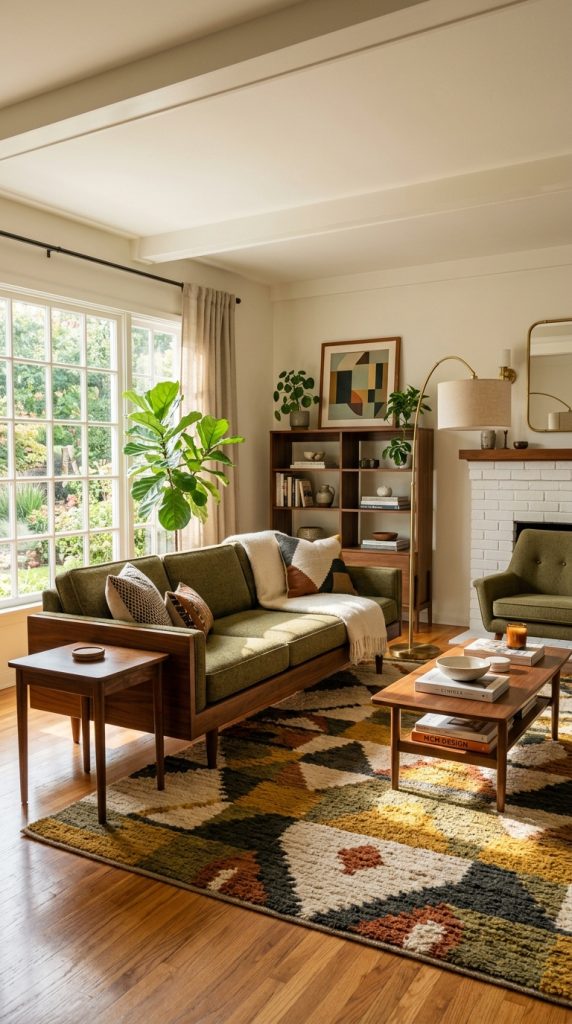
Another reason people love mid-century revival design is because it avoids clutter while still allowing personality to shine. A single walnut coffee table, an olive-green accent chair, or a brass floor lamp can instantly transform an ordinary room into a stylish designer-inspired space. The combination of natural materials, iconic furniture silhouettes, and vintage decor creates an atmosphere that feels curated instead of overly decorated.
In this guide, you’ll discover 10 incredible mid-century revival ideas that can completely elevate your home. From statement furniture pieces to retro color palettes and lighting upgrades, each idea is designed to help you create a sophisticated yet comfortable interior. Every section includes practical styling tips, materials needed, and step-by-step inspiration so you can recreate the look in your own home.
Whether you’re redesigning an entire room or simply adding vintage touches to your existing decor, these ideas will help you bring timeless mid-century character into modern living spaces.
Materials Used for Mid Century Revival Decor
Before starting your mid-century transformation, gather a few key materials and decor elements commonly used in this design style:
- Walnut wood furniture
- Teak wood accents
- Brass or gold hardware
- Geometric patterned rugs
- Neutral-colored sofas
- Olive green or mustard cushions
- Vintage-inspired lighting
- Leather accent chairs
- Abstract wall art
- Indoor plants
- Ceramic vases
- Wooden slat panels
- Record players or retro accessories
- Floating shelves
- Tapered-leg furniture
- Linen curtains
- Bouclé fabric decor
- Earth-toned paint colors
These materials help establish the signature warm and timeless look associated with mid-century interiors.
How to Create a Mid Century Revival Space
Creating a successful mid-century revival room starts with simplicity and intentional styling. Begin by decluttering your space and focusing on functional furniture with clean lines. Mid-century design avoids excessive decoration, so every piece should serve a purpose while also adding visual interest.
Choose warm wood tones like walnut or teak as your foundation. Add a neutral color palette with earthy accent colors such as burnt orange, mustard yellow, olive green, or terracotta. Introduce layered textures through rugs, cushions, curtains, and ceramics to make the room feel cozy rather than cold.
Lighting is extremely important in this style. Use floor lamps, globe pendants, or brass fixtures to create a warm atmosphere. Incorporate plants to soften sharp furniture lines and bring natural energy into the room.
Finally, mix vintage-inspired pieces with modern elements to keep the space fresh. The goal is not to create a museum-like retro room but a modern home influenced by timeless mid-century design.
1. Add Walnut Wood Furniture for Instant Mid Century Character
Walnut wood furniture is one of the most recognizable features of mid-century design. Its rich warm tones immediately add sophistication and vintage charm to any space. Whether you choose a walnut coffee table, media console, dining table, or dresser, this material creates the foundation for a timeless mid-century revival interior.
One of the reasons walnut furniture works so well is because it balances elegance with simplicity. The clean lines and tapered legs typical of mid-century furniture make rooms feel open and uncluttered while still looking luxurious. Unlike heavily carved traditional furniture, walnut mid-century pieces focus on minimal design and beautiful craftsmanship.
To incorporate this look into your home, start with one statement piece. A walnut credenza in the living room or bedroom instantly becomes the focal point of the space. Pair it with neutral walls and soft textiles to let the wood tones stand out naturally.
Another great idea is mixing walnut furniture with modern decor. For example, combine a sleek walnut dining table with contemporary chairs or modern lighting fixtures. This prevents the room from feeling outdated and creates a stylish curated look.
You can also enhance the warmth of walnut wood by layering earthy colors like rust, olive, cream, or caramel throughout the room. Add ceramic vases, vintage books, and textured fabrics to complete the aesthetic.
The best part about walnut furniture is its timelessness. Even years later, these pieces continue looking stylish and expensive, making them a smart long-term design investment for any home.